


How to Use Flat Lay Photography for Your eCommerce Brand
Flat lay photography looks simple. Products arranged on a surface, photographed from above. The simplicity is deceptive: well-executed flat lay requires precise preparation, intentional composition, and consistent lighting to produce images that perform commercially.
For eCommerce brands, flat lay is one of the most scalable and versatile photography formats available. It produces clean, consistent catalog images efficiently, performs well on social platforms, and works across product categories from fashion and beauty to electronics and home decor.
This guide covers what flat lay is, how to prepare for a shoot, how to use flat lay images across the customer journey, industry-specific techniques, and what to look for in a professional studio.
Part of our complete guide: Product Photography for Clothing and Accessories Brands
What Is Flat Lay Photography and Why It Matters for eCommerce So Much
Flat lay product photography captures items from a top-down perspective, ensuring clarity, consistency, and efficiency in product presentation. Unlike still life photography, which often involves elaborate props and conceptual storytelling, flat lay photography is about precision, uniformity, and highlighting key product details.
Flat lay photography is essential for eCommerce because it presents products in a clean, digestible format that allows customers to evaluate them easily, standardizes a product catalog for intuitive and frictionless browsing, and enables brands to shoot hundreds of SKUs efficiently without reinventing creative direction for every shoot.
For a related approach that adds editorial depth to overhead product photography: Product Still Life Photography for eCommerce Brands
Industries that depend on high-quality flat lay photography include fashion and apparel, where clear views of fabrics, cuts, and construction details are communicated without distractions. In beauty and skincare, flat lay is used to display textures, packaging, and application details. Electronics and accessories benefit from a structured, minimal approach that highlights form and functionality. Home decor relies on flat lay images that emphasize materials, textures, and craftsmanship.
Preparing Products for a Flat Lay Shoot
A successful flat lay shoot requires coordination between the brand and the studio before a single frame is captured.
The brand provides clear guidelines
Before shipping anything, define the visual parameters the studio will work within. This means specifying background standards: pure white for marketplace compliance, soft neutral for branded DTC channels, or textured surface for editorial contexts. It means documenting preferred styling approach — neatly folded, slightly draped, or arranged as a complete outfit. It means stating retouching preferences upfront — natural and minimal versus softened and editorial.
Provide reference images that show the target aesthetic. The more clarity given before the shoot day, the fewer revision rounds needed after delivery.
The brand ships thoroughly inspected products
Every product that leaves the brand's hands should be shoot-ready. Check each item for defects, surface damage, missing components, and packaging issues before packing. Label every SKU clearly. Group items by shoot priority. Products that arrive with quality issues require on-set problem-solving that slows production and adds cost.
For a complete guide to product inspection, labeling, packaging, and shipping logistics before a shoot see: Preparing Your Products for a Photoshoot
The studio handles on-set preparation
Flat lay apparel photography is unforgiving. Every wrinkle, fold, and uneven texture will be magnified in high-resolution images. Once products arrive, the studio takes over:
Steaming and shaping — every garment is prepared before it reaches the shooting surface. Heat removes creases that are invisible in normal conditions but immediately visible under controlled studio lighting shot from directly above.
Pinning and structural support — stylists use pins, clips, and inserts to ensure shirts, dresses, and trousers maintain their intended structure and proportions in frame. Loose fabric distorts how a product appears in a top-down shot in ways that cannot be fixed in post-production.
Alignment and consistency checks — seam alignment, collar positioning, and hem consistency are verified before the first frame is captured. These details determine whether the final image communicates precision or carelessness.
Non-apparel preparation — surfaces are cleaned of fingerprints and dust, components are positioned precisely, and props are placed according to the brand's visual guidelines before shooting begins.
Where to Use Flat Lay Photography Across the Customer Journey to Maximize ROI
The best flat lay image is not just aesthetically effective, it is placed where it most influences customer behavior.
Product Catalog
A well-structured product catalog requires uniform, streamlined images for brands managing high volumes of SKUs. Every product should have the same framing, lighting, and angle to create a cohesive browsing experience. Customers scanning collections can identify details and compare variants when catalog images follow consistent conventions. Any variation in crop, background tone, or lighting temperature across the catalog makes the browsing experience feel fragmented.
Product Pages (PDP)
Product detail pages are where purchase decisions are made. The primary flat lay image should provide a clear, full view of the product without distractions. Additional flat lay shots highlight key details — fabric texture, fastening hardware, stitching quality, logo placement. High-resolution images that support zoom functionality address the customer's need to inspect the product before buying.
Comparison Pages
For websites that allow product comparisons, identical positioning, framing, and lighting across every product makes differences in size, texture, and color immediately visible. Any variation in how products are positioned makes comparison harder, which increases the likelihood of the customer abandoning the decision.
Checkout Pages
The checkout page is one of the most overlooked conversion points in eCommerce. A small flat lay thumbnail in the cart provides visual confirmation of the selected product, reassuring the customer at the moment they are most likely to hesitate. A clean, professionally styled flat lay at this stage reinforces purchase confidence and can support complementary product recommendations that increase average order value.
Industry-Specific Flat Lay Photography
Flat Lay Photography for Fashion & Apparel Brands
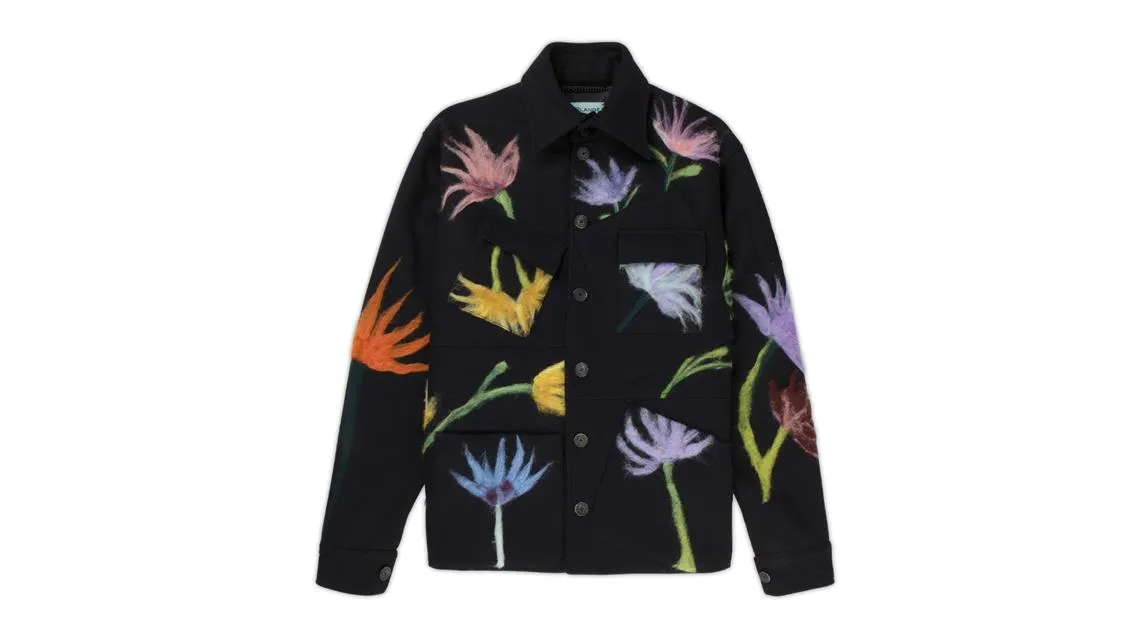
For fashion eCommerce, flat lay photography is an essential catalog asset that offers a clean, structured way to display garments without models or mannequins. A strong flat lay strategy enhances product discoverability and standardizes catalog presentation across a large SKU range.
For t-shirts and casual tops, smooth, lightly pin the garment, and align it symmetrically to maintain fabric integrity. Uneven folds or stretched fabric distort how the product appears online. Layering should be intentional, with garments folded or placed to mimic how they would be worn. Textural close-ups, stitch details, and logo placement shots reinforce quality perception alongside the primary full-garment view.
Common Mistakes That Increase Bounce Rates:
- Wrinkled fabrics. Even a minor crease can make a product appear low-quality. Every garment should be steamed and shaped precisely before shooting.
- Overly stiff styling. Some brands force folds that make clothing look unnatural. Flat lays should maintain realistic fabric movement.
- Inconsistent lighting. Uneven shadows and poor exposure lead to a disjointed catalog appearance, making the store look unprofessional.
For how flat lay compares to ghost mannequin and on-model photography across specific garment types, platforms, and budget levels: Flat Lay vs Ghost Mannequin vs On-Model Photography: Which is Right for Your Apparel Brand?
Flat Lay Beauty Photography for Cosmetics & Skincare
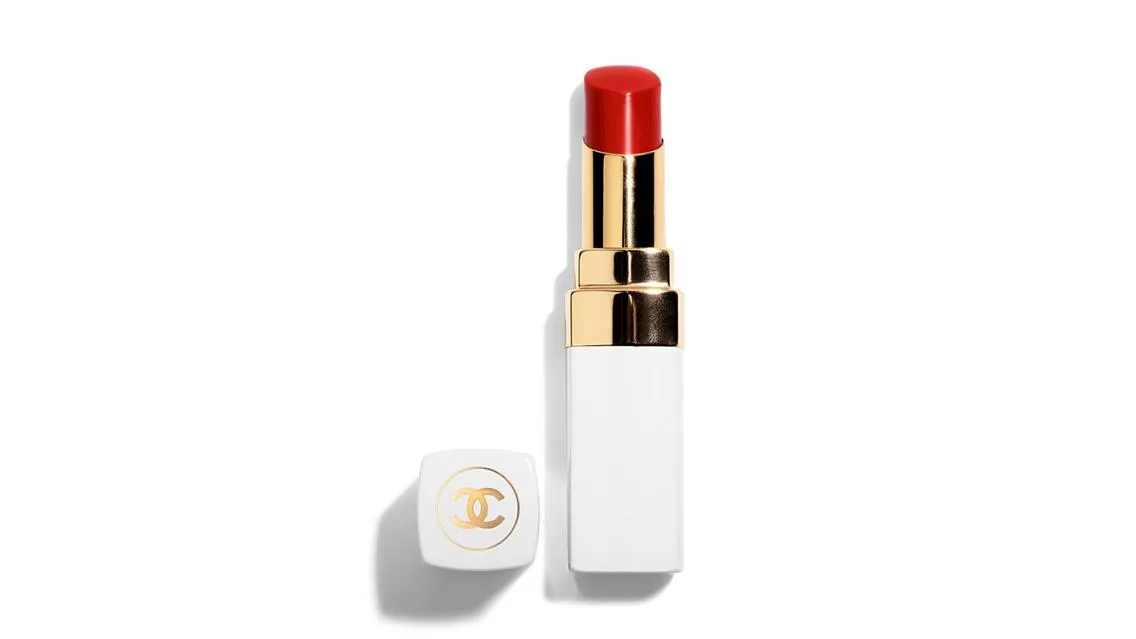
In beauty and skincare, flat lay photography communicates texture, formulation, and premium product character. Customers rely on visual cues to understand quality, consistency, and how a product will look or feel.
Show powders, creams, serums, and gels in their natural state — spreading a small amount of product next to the packaging creates a sensory, high-end impression that communicates the product's character beyond its packaging alone. Ensure all product colors remain accurate, particularly for tinted skincare, lipstick, and foundation ranges where color is a primary purchase criterion.
Common Mistakes That Diminish Luxury Perception:
- Overexposed Highlights: Many cosmetic products feature glossy surfaces that reflect too much light, making details difficult to see.
- Neglecting Branding Elements: Flat lays should subtly reinforce brand identity with consistent color schemes, packaging alignment, and logo visibility.
- Messy Arrangements: Disorganized product placement confuses the eye. Skincare products should be arranged to guide the customer’s gaze smoothly through the composition.
Electronics & Accessories: A Minimalist Approach
Electronics require precision, clarity, and a no-distraction approach. Unlike fashion or beauty where mood and texture play significant roles, flat lay for electronics should focus on product functionality and design appeal.
Apple's approach is the industry reference: clean, minimal, perfectly aligned product layouts that let the product communicate its own quality. Every detail matters — buttons, ports, material variations, and edge finishing all require razor-sharp focus. Pure white, matte grey, or sleek gradient backgrounds maintain the modern, high-end aesthetic that electronics buyers expect.
Common Mistakes That Reduce Trust & Conversion Rates:
- Inaccurate Color Balance: Tech products must be displayed in their true color — incorrect lighting can misrepresent materials, leading to customer dissatisfaction.
- Poor Product Alignment: The slightest angle misalignment can break the perception of quality — electronics demand perfect symmetry.
Flat Lay Photography for Home Decor Brands
Flat lay photography for home decor presents items clearly and accurately on plain backgrounds, the practical counterpart to lifestyle photography that shows products in room settings. The two approaches serve different functions: flat lay for catalog documentation and comparison, lifestyle for aspiration and purchase inspiration.
Home decor items must be photographed to accurately represent surface details, material finishes, and proportions. White or light grey backgrounds work best for platform compliance and color accuracy. Any unnecessary color from background reflections should be eliminated, particularly for products where color accuracy determines whether the item fits a customer's existing interior.
Common Mistakes That Lower Perceived Quality:
- Harsh or Flat Lighting: Textured surfaces like linen, wood, or ceramics require balanced lighting. Overexposed images wash out product details, while flat lighting removes depth, making objects appear dull.
- Color Inaccuracy & Over-Editing: Customers expect their home decor purchases to fit seamlessly into their space. Any distortion in color due to poor lighting or excessive retouching can lead to high return rates. Ensure that white linens don’t appear blue, and natural wood retains its true undertone.
What to Look for in a Professional Flat Lay Photography Studio
Experience in eCommerce flat lay photography
A studio should have a portfolio demonstrating experience in the specific product categories the brand sells, a track record of producing clean, conversion-focused product images, and a clear understanding of eCommerce platform requirements for Amazon, Zalando, Shopify, and other relevant channels.
Expertise in styling, lighting, and product preparation
Ask about the studio's approach to pinning, folding, steaming, and shaping products. Ask how they handle materials like fabrics, metals, and glossy surfaces to bring out true texture. Ask how they ensure consistent lighting across a full day of shooting when natural light conditions change.
A studio that photographs products as they arrive without ensuring they are properly prepared produces images that do not reflect the product's actual quality. For retouching standards and color accuracy across flat lay photography: Best Practices for Retouching eCommerce Product Photos
Retouching and editing capabilities
Retouching should enhance an already well-shot image, not compensate for poor preparation or execution. A strong studio ensures color accuracy so what customers see online matches what they receive, maintains a natural and realistic appearance rather than relying on excessive post-production, and delivers high-resolution images optimized for website performance.
Flat lay photography is one of the most versatile and scalable formats in eCommerce product photography. Used correctly for the right product categories and channels, it produces consistent, conversion-ready catalog images that build brand trust across every touchpoint.
Order flat lay photography at LenFlash
FAQ: Flat Lay Photography for eCommerce Brands
What is the difference between flat lay and still life photography?
Flat lay photography captures products from a strict overhead perspective on a flat surface. The camera is positioned directly above the subject, shooting straight down. Still life photography uses a more flexible approach, the camera can be positioned at any angle, and compositions often involve more elaborate prop arrangements, lighting setups, and artistic intent. Flat lay is primarily a catalog and eCommerce format optimized for consistency and scale. Still life is closer to editorial and campaign photography where mood and narrative take priority over uniformity. For a complete guide to still life photography: Product Still Life Photography for eCommerce Brands
What backgrounds work best for flat lay product photography?
Pure white at RGB 255,255,255 is required for Amazon and most major marketplace primary images. For branded DTC channels and social media, off-white, soft neutral tones, and lightly textured surfaces communicate brand character while keeping the product as the primary focus. Colored backgrounds work for campaign and social content where mood and brand identity take priority over catalog documentation. The background choice should be consistent across every SKU in the same catalog section. For a complete guide to background types and when to use each: Do You Need White Background Photos for an eCommerce Website?
Is flat lay photography suitable for all product types?
No. Flat lay works best for products that communicate their key qualities in two dimensions — t-shirts, accessories, soft goods, cosmetics, small electronics, and home textiles. It is less effective for structured garments like blazers and tailored jackets where three-dimensional form communicates fit and construction. It does not work for products where scale and proportion in a real environment are primary purchase concerns, such as furniture and large home decor. For a complete breakdown of which format suits which product type: Flat Lay vs Ghost Mannequin vs On-Model Photography
How many flat lay images do I need per product?
For basic catalog documentation, one primary flat lay showing the full product is the minimum. Most eCommerce brands add two to three secondary images per product showing key details — fabric texture, construction, logo placement, or color variants. For fashion, a primary full-garment flat lay plus one or two detail shots covers the standard requirement for most platforms. For beauty and skincare, a primary packaging shot plus a texture or application detail shot completes the standard set. Platform requirements vary, Amazon recommends using all available image slots, which means up to nine images per listing.
What is the best way to maintain consistency across a large flat lay catalog?
Consistency comes from documented standards applied before every shoot, not from matching images in post-production. Define and document background material, color values, lighting setup, crop ratio, and styling approach before the first shoot. Photograph a reference image at the start of every session and compare subsequent frames against it throughout the day. For catalog shoots spread across multiple sessions or seasons, keep the setup documentation and use color calibration cards to ensure background tones match between batches.
How does flat lay photography affect return rates?
Flat lay can reduce returns for products where it accurately communicates color, texture, and dimensions. It can increase returns for products where it fails to communicate fit or three-dimensional form, particularly structured apparel where customers cannot assess how the garment will sit on a body from a top-down two-dimensional image. The return risk from flat lay is highest in categories where fit and drape are primary purchase criteria. For how photography accuracy connects to return rates across all formats: Reducing Product Return Rates Through Accurate Photography
Can I do flat lay photography in-house or do I need a professional studio?
In-house flat lay is feasible for brands with a dedicated shooting space, a consistent light source, and the time to develop and maintain styling standards. The practical challenges are lighting consistency across large batches, product preparation quality, and color calibration for accurate background and product tone reproduction. Professional studios handle these variables systematically, which makes them more reliable for large catalogs where inconsistency between batches is the most common quality problem. For what to look for when choosing a photography studio: How to Choose an eCommerce Photography Studio